ᓱᓇᐅᕙᑦ ᐊᖃᔦᑦ ᓱᒃᑯᓇᕐᑐᓕᐊᖏᑦ?
ᓱᒃᑯᓇᕐᑐᐃᑦ ᓄᐃᓚᕿᑦᓱᑎᑦ ᒥᑭᔪᐊᐱᓐᓂᒃ ᐃᕐᖃᒥᐅᑕᓂᒃ ᐊᖃᔭᓂᑦ ᐊᒻᒪᓗ ᖁᐱᕐᕈᐊᕈᓯᕐᓂᑦ ᐱᓯᒪᔪᓂᑦ.
ᐃᓄᓐᓂᒃ ᖃᓂᒻᒪᓚᕿᑎᑦᓯᒍᓐᓇᑐᑦ ᓂᕆᑉᐸᑕ ᓱᒃᑯᓇᕐᑐᑕᓕᓐᓂᒃ ᐃᒪᕐᒥᐅᑕᓂᒃ ᐆᒪᔪᓂᒃ. ᐊᖃᔦᑦ
ᓱᒃᑯᓇᕐᑐᓕᐊᖏᑦ ᐊᒥᓱᖕᖑᕙᓪᓕᐊᑐᐃᓐᓇᑐᑦ ᓯᓚ ᐅᕐᖂᓯᕙᓪᓕᐊᑎᓪᓗᒍ.
ᓱᒐᒥ ᐃᑉᐱᒋᒐᓱᒋᐊᓕᕗᑦ?
• ᓱᕐᖁᐃᓯᓗᑕ ᓇᓪᓕᐊᖑᒻᒪᖔᑕ ᐊᖃᔦᑦ ᐱᑕᖃᓲᖑᒻᒪᖔᑕ ᐊᒻᒪᓗ ᖃᖓᐅᑎᓪᓗᒍ ᐱᑕᖃᓲᖑᒻᒪᖔᑕ
• ᓱᕐᖁᐃᓯᓗᑕ ᐆᒪᔪᐃᑦ ᐊᑦᑐᐊᔭᐅᒻᒪᖔᑕ ᑕᒪᒃᑯᓄᖓ
• ᐊᑦᑕᓇᕐᑐᒦᒍᑎᐅᒍᓐᓇᑐᑦ ᐃᓄᓐᓄᑦ ᐃᑭᓕᐅᒥᑎᓗᒋᑦ
• ᓴᐳᒻᒥᓗᑕ ᓂᕿᑐᐃᓐᓇᓂᒃ
WHAT are phycotoxins?
Toxins produced by a few microscopic algae and cyanobacteria.
They can make people sick if they eat contaminated seafood.
Phycotoxins are becoming more common as the climate warms.
WHY monitor?
• To determine which algal species are present and when
• To determine if animals are being exposed
• To reduce the risk of people being exposed
• To help protect country food
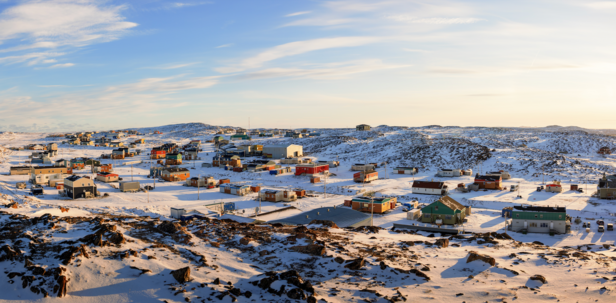
The village of Quaqtaq lies on the eastern shore of Diana Bay (Tuvaaluk, meaning “large ice field” in Inuktitut), on a peninsula extending into the Hudson Strait where it meets Ungava Bay. The landscape features mountains to the north and low, rocky hills to the southeast. The surrounding region is rich in wildlife, including marine and land mammals, fish, and shellfish such as mussels, scallops, and clams. Until the early 1930s, the peninsula was known as Nuvukutaaq (“long point”). According to local stories, the name Quaqtaq (“tapeworm”) emerged after a beluga hunter discovered parasites, and the name quickly spread.
For more information:
Local Leader: Matthew Okpik (quaqtaq@anguvigaq.ca)
Nunavik Research Centre: Anne-Marie Kauki (AKauki@makivvik.ca), Mackenzie Martyniuk (mmartyniuk@makivvik.ca) and Noah Brosseau (nbrosseau@makivvik.ca)
University of New Brunswick: Audrey Limoges (alimoges@unb.ca)
Credit photo: Ubique Film
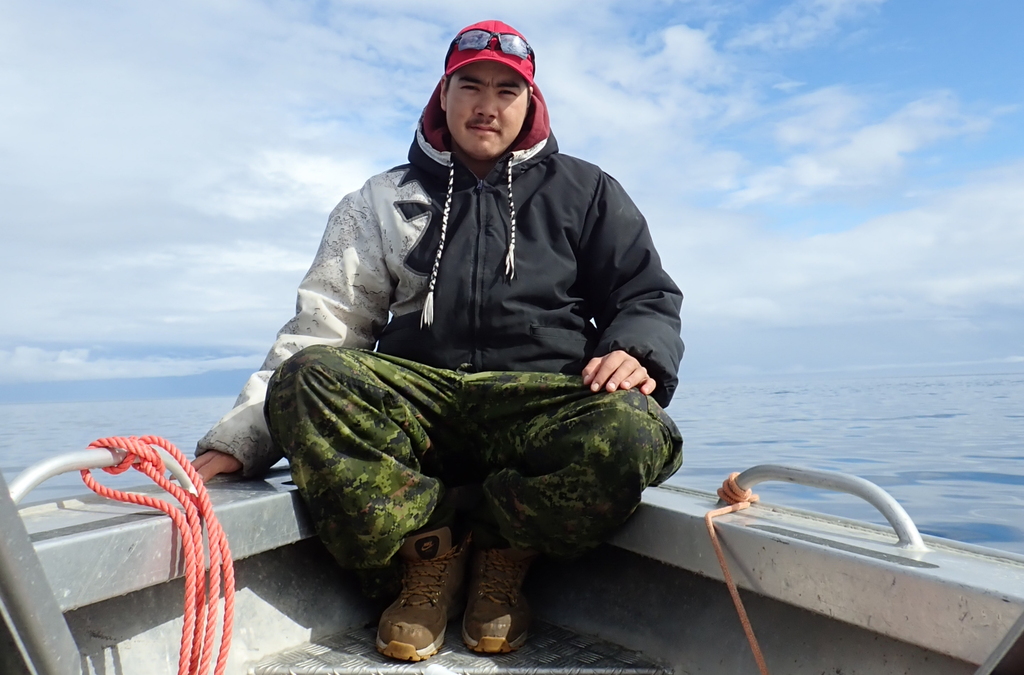
Matthew Okpik is President of the local Anguvigaq (Nunavik's Hunting, Fishing and Trapping Organization) in Quaqtaq, Nunavik. In addition to organizing excursions on the land, he also assists with Nunavik's annual Ivakkak dog sled race. As a local project leader in the PHATE project, Matthew will coordinate water and shellfish sampling in Quaqtaq
Contact: quaqtaq@anguvigaq.ca
Umiujaq is a small community in the Hudson Bay region of Nunavik, with a population of 541. Its name reflects the landscape’s resemblance to an overturned umiaq, a traditional Inuit walrus-skin boat. The village was established in 1986 when Inuit families relocated from Kuujjuarapik to preserve their traditional lifestyle in an area where fish and game resources remained abundant, following the impact of hydroelectric projects in the region.
For more information:
Local Leaders: Eddie Qumaluk (LNUK@umiujaq.ca) and Alec Niviaxie (aniviaxie@anguvigaq.ca)
Nunavik Research Centre: Anne-Marie Kauki (AKauki@makivvik.ca), Mackenzie Martyniuk (mmartyniuk@makivvik.ca) and Noah Brosseau (nbrosseau@makivvik.ca)
University of New Brunswick: Audrey Limoges (alimoges@unb.ca)
Credit photo: Ubique Film
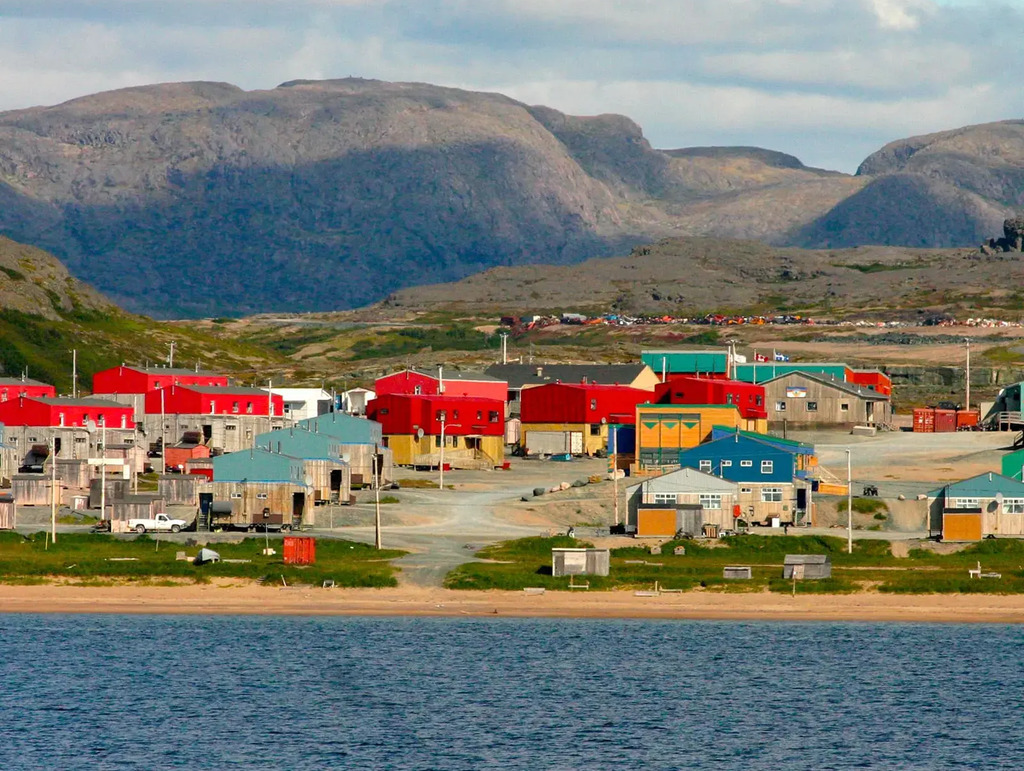
Nain is the northernmost and largest community in Nunatsiavut and is the administrative capital of the Nunatsiavut Government. The community has become the launching place for many visitors to the Torngat Mountains National Park, and National Historic sites at Hebron, Okak, and Ramah Bay - all to the North.
Inuit were living in Nain when Moravian Missionaries arrived in 1771. It was an important centre for trade and mission activities in the region. The architectural, cultural, spiritual, and even musical influence of the Moravians remain in Nain to this day.
Much of this history can be discovered at the Illusuak Cultural Centre which serves as a launching point for those first coming to Nunatsiavut; a place to learn more and ask questions. Proudly displaying Labrador Inuit culture, knowledge, and history through interactive permanent exhibits, walking though Illusuak is like walking through a piece of local history. Scattered throughout the exhibition are photographs from Nunatsiavut’s distant and not so distant past. The building also houses a Parks Canada Office for the Torngat Mountains National Park and is an invaluable source of information for travellers.For more information:
Local Leader(s): Michelle Saunders (Michelle.Saunders@nunatsiavut.com), Geraldine Andersen (Nunatsiavut Government) and Gus Barbour (Nunatsiavut Government)
Nunatsiavut Research Centre: Michelle Saunders (Michelle.Saunders@nunatsiavut.com) and Carla Pamak (Carla.Pamak@nunatsiavut.com)
University of New Brunswick: Audrey Limoges (alimoges@unb.ca)
Credit photo: Nunatsiavut Government
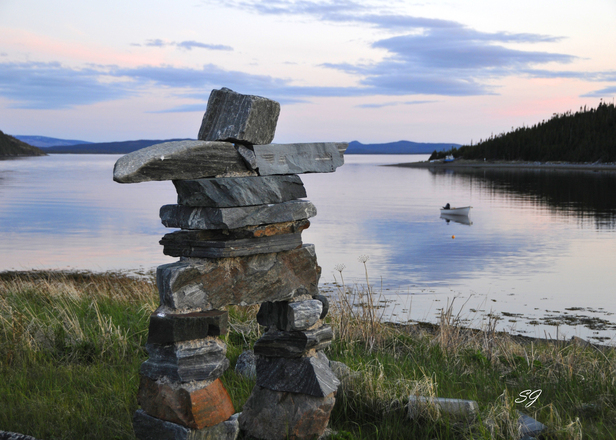
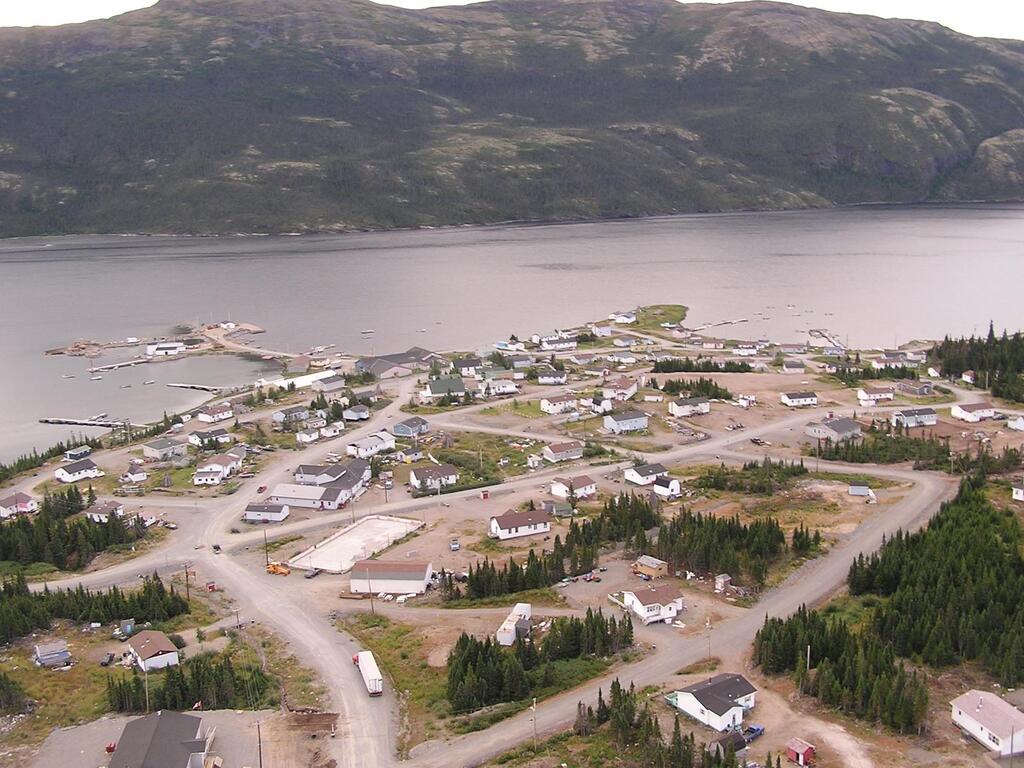
Postville, also known as Kaipokok, is a town steeped in trapping and trading history. It was originally known simply as “The Post” due to a popular Hudson’s Bay Company trading post which operated there in the 1800s. The Post attracted Inuit and settler families who would come to trade throughout the fall, winter and spring before returning to coastal summer fishing camps. The Post officially became known as Postville in the 1940s as a community began to spring up when a Pentecostal pastor, William Gillett, helped establish the town by building a school, church, and sawmill.
The present church building is the site of an archaeological dig which took place in 1977 unearthing nearly 2,000 artifacts from the Dorset period of occupation. Most of these artifacts, the most significant find of its type anywhere in Labrador, can be viewed at The Rooms in St. John’s by requesting to see the “Postville Pentecostal Collection”. Postville is home to some of Nunatsiavut’s most well recognized carvers, jewelry artisans, photographers, crafters and other artists. There is a newly opened craft and interpretation centre near the provincial dock.
For more information:
Nunatsiavut Research Centre: Michelle Saunders (Michelle.Saunders@nunatsiavut.com) and Carla Pamak (Carla.Pamak@nunatsiavut.com)
University of New Brunswick: Audrey Limoges (alimoges@unb.ca)
Credit photo: Nunatsiavut Government
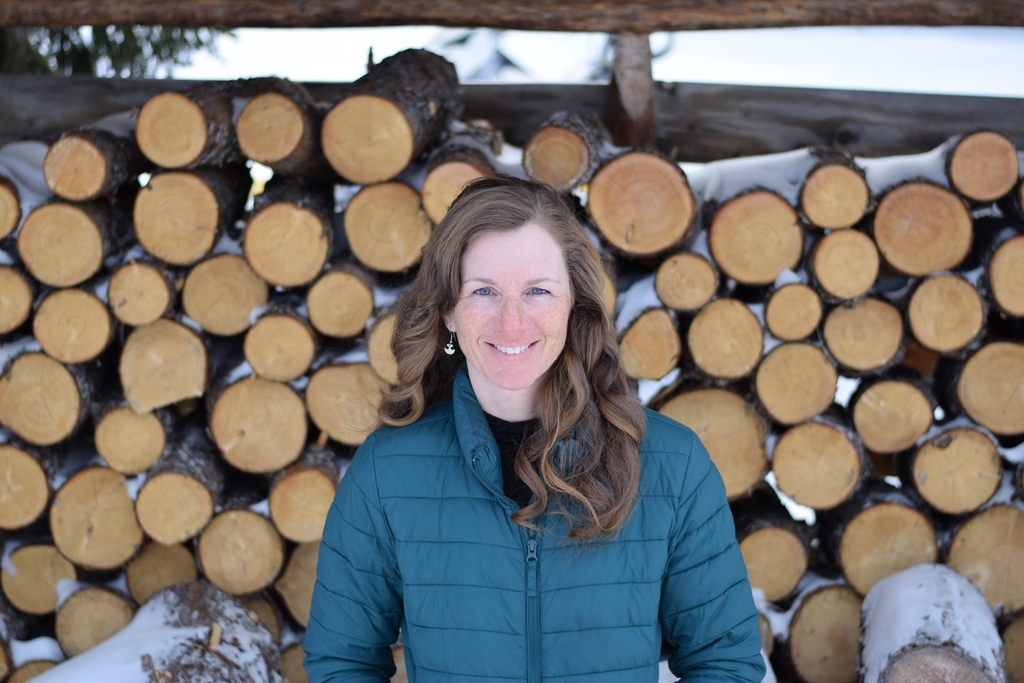
Samantha Pilgrim is a conservation officer with the Nunatsiavut Government in Postville, Labrador. She is a mom of two beautiful daughters and has always enjoyed photography, crafting, and spending time out on the land.
Contact: samantha.pilgrim@nunatsiavut.com